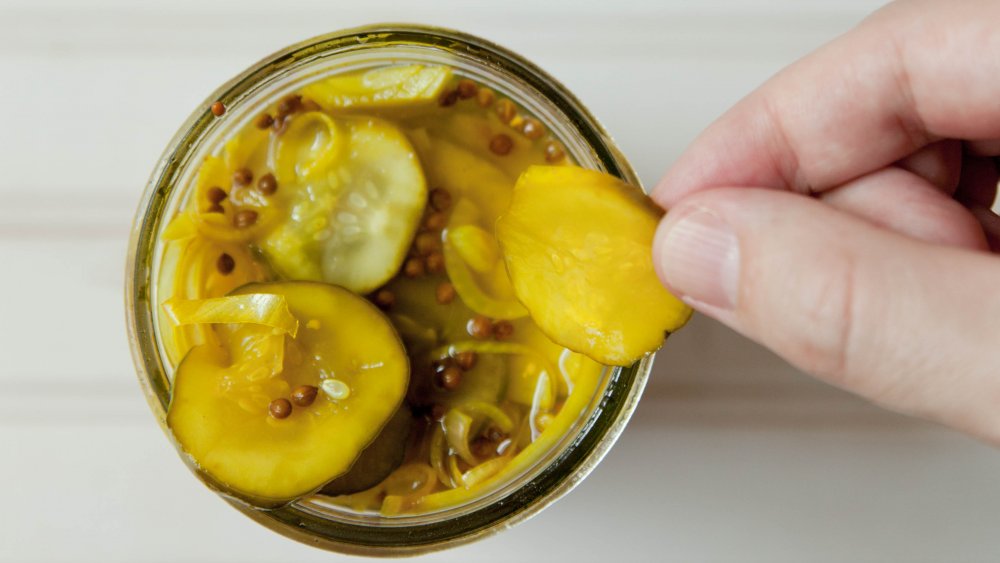
The Enduring Allure of Old-Fashioned Bread & Butter Pickles: A Great Depression Classic
In a world constantly chasing new culinary trends, some classics steadfastly hold their ground, proving their timeless appeal. Among these beloved staples,
bread and butter pickles stand out. With a history rooted in the challenging times of the Great Depression, these sweet, tangy, and wonderfully crisp slices of cucumber offer more than just a delightful taste – they tell a story of resilience, resourcefulness, and the simple pleasures found in homemade goodness. Why, then, in our modern kitchens, should we bother reaching for the pickling spices and a mountain of cucumbers to recreate this old-fashioned delight? The answer lies in their unparalleled flavor, incredible versatility, and the undeniable satisfaction of crafting something truly special from scratch.
A Taste of History: The Great Depression & Bread and Butter Pickles
The very name "bread and butter pickles" evokes a sense of nostalgia, hinting at a past where food was cherished and every ingredient had a purpose. Legend has it that during the lean years of the Great Depression, families would often barter their homemade pickles – a bountiful harvest item – for essential staples like bread and butter. This humble exchange cemented the pickles' place in American culinary history, signifying a simple yet deeply satisfying combination that helped sustain communities.
Beyond the charming anecdote, these pickles represent a resourceful approach to food preservation. Cucumbers, often abundant in home gardens, could be transformed into a long-lasting, flavorful condiment, ensuring that their deliciousness could be enjoyed far beyond their growing season. This tradition of making
bread and butter pickles from scratch continues today, not out of necessity for survival, but for the sheer joy of flavor, economy, and the comforting connection to culinary heritage.
Unleashing Their Culinary Versatility: Beyond the Sandwich
While a classic ham or turkey sandwich is undoubtedly made better with the bright, zesty addition of
bread and butter pickles, their utility stretches far beyond the confines of bread. These pickles possess a unique ability to elevate a surprising array of dishes, making them a true kitchen MVP.
Imagine your next summer barbecue: grilled burgers, hot dogs, and succulent pulled pork are delicious on their own, but a jar of homemade bread and butter pickles offers a crucial crispy, tangy counterpoint that cuts through the richness and adds an irresistible zing. They are also a non-negotiable component of a well-appointed charcuterie board, nestled alongside artisanal cheeses, briny olives, and crunchy nuts, providing a delightful textural and flavor contrast.
Beyond these traditional pairings, consider these creative applications:
*
Salad Star: Dice them finely and toss into potato salad, tuna salad, or chicken salad for an unexpected burst of flavor and crunch. They can also perk up a simple green salad or be served alongside a fresh summer salad.
*
Picnic Perfection: No picnic spread is complete without these tangy delights. Pack them in a jar for easy serving with cold cuts, cheeses, and crusty bread.
*
Unexpected Garnish: Use them as a vibrant topping for tacos, chili, or even a sophisticated fried chicken dish, where their acidity can balance the richness.
For even more innovative ways to incorporate these tangy delights into your meals, explore how they truly
Elevate Meals: The Versatile Appeal of Bread and Butter Pickles.
The Irresistible Flavor Profile: A Symphony of Sweet, Sour, and Spice
What exactly makes
bread and butter pickles so utterly captivating? It’s a masterful balance of flavors and textures that tantalizes the palate without overwhelming it. Unlike some dill pickles that lean heavily into sourness, these pickles offer a harmonious blend that appeals to a broader audience.
Each bite delivers:
*
The Satisfying Crunch: Thanks to careful preparation and the inherent crispness of fresh pickling cucumbers, you get a delightful snap that’s incredibly satisfying.
*
Sweet Serenity: Often sweetened with brown sugar, there's a gentle sweetness that rounds out the sharper notes, making them incredibly approachable.
*
Tangy Brightness: Apple cider vinegar (or white vinegar) provides the essential acidity, a clean tang that invigorates the taste buds.
*
Subtle Spice Layers: A carefully selected blend of spices, typically including yellow mustard seeds, dried dill weed, and black peppercorns, infuses the pickles with aromatic depth and a hint of warmth. Some recipes might also include celery seeds or turmeric for an extra layer of complexity and a beautiful golden hue.
The result is a pickle that isn’t overly sour but offers a comforting embrace of sweet, sour, and subtly spicy flavors. This makes them a beloved classic for seasoned pickle enthusiasts and a welcoming introduction for newcomers to the world of pickled vegetables. To truly appreciate the nuances, dive deeper into their sensory experience by understanding
Sweet, Tangy, Crunchy: Decoding Bread and Butter Pickle Flavor.
Why Embark on Your Own Pickling Journey? The Undeniable Benefits
Making your own
bread and butter pickles is more than just a culinary endeavor; it's a rewarding experience that offers a multitude of benefits:
1.
Simplicity Personified: Despite their gourmet appeal, the ingredient list for bread and butter pickles is refreshingly straightforward. Fresh cucumbers, onions, vinegar, sugar, salt, and a handful of common spices are all you need. You can pronounce every item, ensuring you know exactly what goes into your food.
2.
Economical & Sustainable: Creating homemade pickles is significantly more cost-effective than purchasing artisanal jars from the store. Furthermore, it's an excellent way to utilize a bountiful garden harvest, reduce food waste, and embrace sustainable living practices.
3.
Unmatched Customization: One of the greatest joys of home pickling is the ability to tailor the flavor profile to your exact preferences. Want them a little sweeter? Add more sugar. Prefer a bolder spice kick? Experiment with different peppercorns or a pinch of red pepper flakes. The power is in your hands to create your perfect pickle.
4.
Food Preservation Mastery: Pickling is an ancient and valuable food preservation technique. By learning to make pickles, you're not only creating delicious food but also gaining a practical skill that connects you to generations of home cooks.
5.
The Joy of Handmade: There's an undeniable satisfaction that comes from opening a jar of pickles you made yourself. The vibrant colors, the inviting aroma, and the superior taste of homemade far surpass any store-bought equivalent. It's a small victory in the kitchen that brings immense pleasure.
Key Ingredients for Your Homemade Bread & Butter Pickles
To begin your delightful journey into making homemade
bread and butter pickles, gather these essential components:
*
Pickling Cucumbers: Approximately 3 pounds of small, firm pickling cucumbers are ideal for their crisp texture.
*
White Onions: About 1 pound, thinly sliced, to add a foundational sweetness and mild onion flavor.
*
Sugar: 1 cup of light brown sugar is traditional, providing that signature sweetness and a hint of molasses depth.
*
Vinegar: 3 cups of apple cider vinegar (5% acidity) is preferred for its fruity tang, though white vinegar can be substituted.
*
Kosher Salt: About 1/4 cup, essential for drawing out moisture from the cucumbers and ensuring crispness.
*
Spices: 1 tablespoon yellow mustard seed, 1 teaspoon dried dill weed, 1/2 teaspoon black peppercorns (and potentially 1 teaspoon celery seed) form the aromatic core.
*
Ice: Approximately 2 quarts of crushed ice or ice cubes are crucial for the initial brining step, helping to maintain the cucumbers' crispness.
Pro Tips for Perfect Pickles
Achieving that perfect crunch and balanced flavor in your homemade
bread and butter pickles is easier than you think with a few expert tips:
*
Choose Wisely: Always opt for the freshest, firmest pickling cucumbers. Avoid those with soft spots or blemishes. Smaller cucumbers tend to be crisper.
*
The Ice Bath is Key: Don't skip the initial salt and ice bath. This step draws out excess water from the cucumbers, preventing them from becoming soggy and ensuring that satisfying crisp texture.
*
Sterilize Your Jars: For safe, long-term storage, always sterilize your canning jars and lids before filling them with hot pickle mixture.
*
Patience Pays Off: While tempting to dive in immediately, allow your pickles to sit for at least a week (or even two) in the refrigerator before eating. This "resting" period allows the flavors to meld and deepen, resulting in a more complex and satisfying pickle.
*
Seal the Deal: If you plan on canning for pantry storage, follow a tested water bath canning recipe and processing times carefully to ensure food safety. For refrigerator pickles, simply store them in sealed jars in the fridge.
Conclusion
The journey to making your own old-fashioned
bread and butter pickles is a delightful blend of culinary history, simple ingredients, and immense flavor rewards. From their humble beginnings in the challenging era of the Great Depression to their current status as a versatile kitchen staple, these sweet, tangy, and crunchy cucumbers prove that true classics never go out of style. Whether you're enhancing a summer barbecue, perfecting a sandwich, or simply enjoying them straight from the jar, the satisfaction of creating these beloved pickles from scratch is a taste of tradition worth savoring. So, embrace the art of home pickling and bring this enduring classic back to your table.